
Veterinarians are often attendant to the death of our pets. In fact, in this day in which animal medical treatments can be as outrageously priced as those for humans – even more outrageous when one considers there only a small portion of veterinary clients have any sort of “insurance” – euthanasia is for many vets, one of the most popular service requested. Many pet owners today face the difficult choice of coming up with thousands of dollars in the hopes of giving their beloved friend a little more time on Earth and simply allowing him to pass away in a controlled, peaceful way. In the case of a human family member, of course, the choice would not be difficult at all. No expense must be spared, of course, to save a life. But, as veterinarians see every single day, such is not the case with animals.
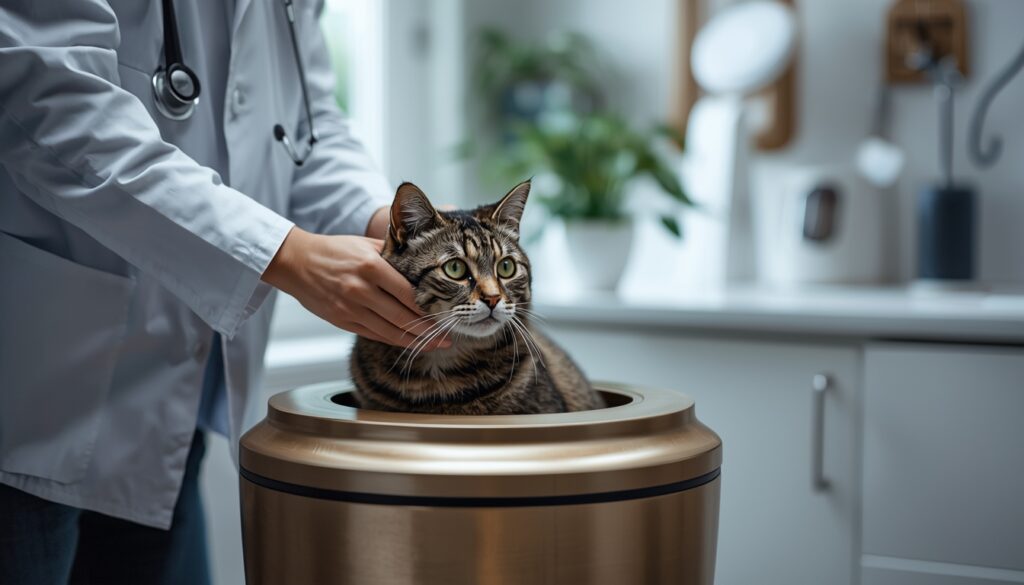
So, while a ideological young animal lover may have began her veterinarian training with the high hopes of helping animals lead long, healthy lives, many times she finds herself, unexpectedly, an expert in how to memorialize and grieve the loss of a pet.
Any pet owner who finds himself in the unfortunate circumstance of having to take a beloved dog or cat in to a veterinarian’s office for a final appointment should know that the doctor is probably good source for comforting information and ideas about how a pet can be memorialized. (And the same is true not matter the circumstances of a death, of course. Veterinarians are often asked to meet with owners whose pets have recently died of some unexpected cause at home, too. )
Below is a brief list of how veterinarians can be of help to anyone who has lost a pet and is desiring to create a memorial.
Grief Counseling
In severe cases, a veterinarian may refer a client to a professional grief counselor trained in psychology and other counseling arts. But, in general, veterinarians can be of comfort in consoling a client who has lost a beloved animal. While very little, if any, of their formal medical training likely focused on the 5 stages of grief that pet owners tend to experience, it is true that most experienced veterinarians have developed some very useful practical skills that will help a grieving pet owner. Anyone whose pet has passed away should not at all be afraid or self-conscious about requesting an appointment or two with their veterinarian to discuss ideas for dealing with the grief that will be a natural part of the experience. For more guidance on coping with the emotional impact, see Grieving the Loss of a Pet. This discussion can even be a healthy one to have before a death. Just as family counselors and other experts recommend that humans openly discuss their post-death plans with one another, so it is with pets. Many veterinarians have written well stated articles that discuss the importance of preparing for your older pet’s eventual death. It is not in the best interest of emotional health to simply pretend that a pets life span will be anything other than the usual time of 20-25 years, at the most.
Cremation Services
Though statistics are hard to come by, anecdotal observation of just about any veterinarian’s business will confirm that cremation is, by far, the most popular way of disposing a body of a deceased pet. Most veterinary clinics are set up to offer cremation in a very inexpensive, timely manner (usually less than $100 and most often in just a day or two). A growing number of clinics even offer cremation services directly on their premises.
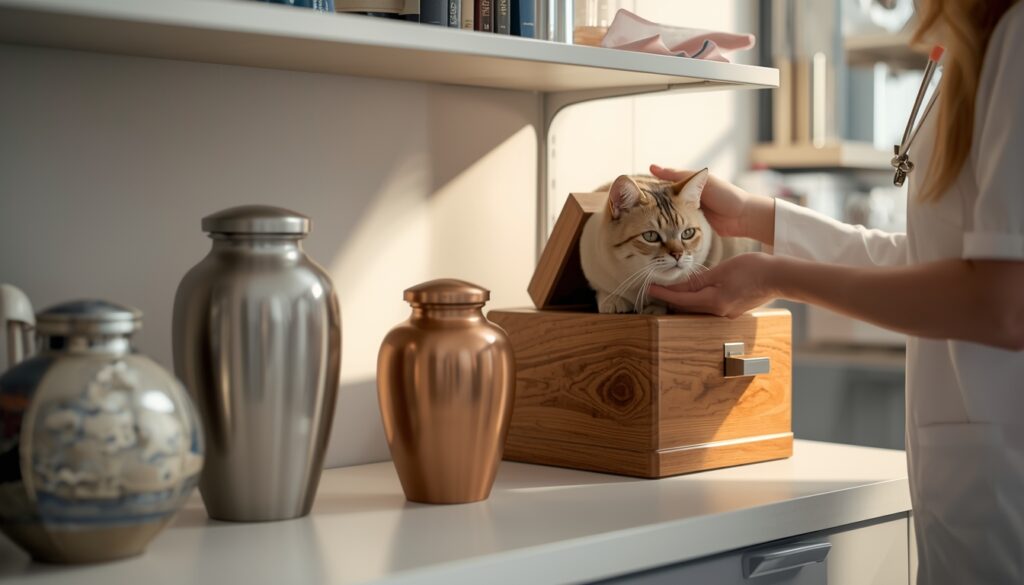
When discussing with your veterinarian the options you have for memorializing your pet you should realize that he or she will likely be expecting you to be thinking in terms of cremation – simply because that is the apparent most popular choice these days. Most offices have a nice catalog to offer in which you can order a pet cremation urn that would be most suitable for the memory of your pet. You should always remember that there is no need to make a quick decision about ordering a cremation urn. Many online sites have an even larger selection and, often, lower prices. Veterinarians will usually return your pets ashes to you in an urn that is stylish and suitable for long-term display or storage of the ashes. It is common, and very acceptable, to simply accept this urn from the clinic’s staff and then find a, perhaps more fitting urn, later. Transfer of the ashes can be done at any time; there is no need, necessarily, to order it done by the veterinarian’s staff, though most offices will be glad to assist you in that (often for free) if you so desire.
Other Disposal Services
But despite the popularity of cremation as a method of disposing of the body of a deceased pet, a typical veterinarian will be well aware that some people remain uncomfortable with cremation. For these, most veterinarians will have a plethora of other ideas and options for disposing of the body of their beloved friend.
Veterinarians can be of great help in deciding whether burial of a pet’s body is a practical, or even legal, option for the client. In many cases, a veterinarian can help a client to find the perfect casket for the pet and can help clean the body up for proper presentation during a funeral service. In larger cities, this option is made even more practical by the existence of pet funeral homes and pet cemeteries. These establishments typically offer a “one-stop shopping” sort of service very similar to that of funeral homes and cemeteries for humans. It should be noted that these services can be quite expensive and many a veterinarian has been known to have a few tips for his clients to avoid overspending emotionally on organizing a funeral and burial for a pet.
Many pet owners have a perfectly valid view that no pomp and circumstance is necessary in regard to the disposal of their beloved pet. While these people often will organize a family gathering in honor of their pet, they typically feel no compelling reason to have the body on display during this ceremony. For these, one of the more simpler methods of disposal may be the most appropriate. Most veterinarians will agree to simply dispose of a pet’s body without any explanation. In most cases, the body is simply respectfully wrapped in a secure plastic bag and left in a special waste collection receptacle at the office. It is true that, in most cases, this waste is collected by the same crews that collect regular household waste – and the animal’s body is, of course, left in the city’s sanitary landfill. This may be upsetting to some pet owners, but, nevertheless, many choose this option for a variety of very valid reasons, and most veterinarians will be happy to honor such a request – usually without a fee. It it worth noting that, in most cities, pet owners can dispose of their pet’s body in the same way, by simply leaving the body in a sightly sealed bag outside their home on their regular garbage collection day. Before doing this, however, pet owners should check with their local animal control authorities to determine the laws and procedures for this service. Most veterinarians will be up-to-date on these rules for their local area as well.
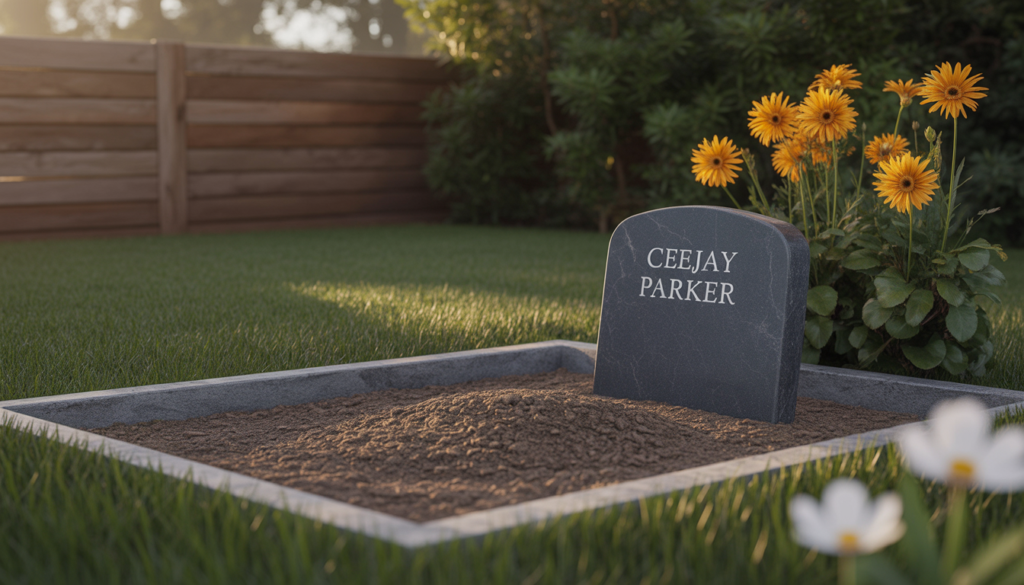
In general, veterinarians should be thought of as an excellent source of information (and even comfort) for those who have lost a pet and are not sure what to do. Pet owners should not be afraid to seek their advice and help in these difficult times – and even, as we say above, before the inevitable happens.