
At the death of a pet, a question many people have never fully considered becomes suddenly very important: what are we to do with our beloved friend’s body? Their is no precisely correct answer to this question, of course. The decision falls, mostly, to the family who cared for the precious animal. For those also coping with grief during this difficult time, How To Deal With A Pet’s Death: 8 Ways To Pull Yourself Up shares simple ways to manage the emotional side of loss. It is dependent upon the family’s desires and resources. We hope the information in the rest of this article will be of help for those asking such a question today.

Veterinarian’s Office
The best source of information on this topic is your veterinarian’s office. While laws regarding the disposal of a pet’s body are somewhat rare (and are rarely enforced even in areas where they do exist), your veterinarian will likely have accurate information about any requirements in your area. (In fact, there have been cases in which local animal control workers and others charged with enforcing pet burial laws have been known to contact their local veterinarian for clarification on a local law.) Aside from being well versed in laws on the topic, a veterinarian can offer plenty of advice on the non-legal matters associated with pet burial. Most veterinarians have working relationships with establishments that do pet cremations, sell pet cremation urns, caskets and headstones, and help organize pet funerals. And, if a family cannot decide what to do with a pet’s body, they can almost always leave it with the veterinarian who will simply dispose of it in a sanceremonious) manner. Many veterinarians will charge their customers only a nominal fee (if any) for offering advice about pet burial options, but contracting for various goods and services will usually entail a regular charge. The most common service requested of a veterinarian when a pet’s death has occurred is cremation. Just about every licensed veterinarian in the United States can arrange for a cremation, usually for about $150 or less. Cremation urns, headstones and caskets can also be purchased through most veterinarians who often consider this a complimentary service and, therefore, are not apt to charge a significant mark up on the wholesale price (as a funeral home would, for example). Customers should be wary, however, that these same products are also available from a significant number of non-veterinarian outlets. In fact, many websites that offer these products will have much better prices and greater selection than veterinarians can offer. We now move on to a more thorough discussion of each of the most popular options that pet owners choose.

Cremation
Because it is usually the least expensive option, this is probably the most popular choice. (Though reliable statistics are hard to come by.) Many pet owners choose this option because it allows them to, very reasonably, keep their beloved friend’s memory alive in their home for the ages. Basic cremation urns are often included for the price of the cremation itself, and, for many, these pieces are stylish and study enough to become the permanent home of their friend’s remains. For those who desire a more customized memorial, however, more elaborate cremation urns are available, many for $50 or less, though some hand crafted pieces can cost hundreds of dollars. Cremation urns for pets can also, of course, be disposed of through burial and more than one pet owner has been known to request that his beloved pet’s ashes be displayed in her home until her death and then that urn placed on display at the owner’s funeral before being tucked away with the owner’s remains in a casket intended for burial.
Home Burial
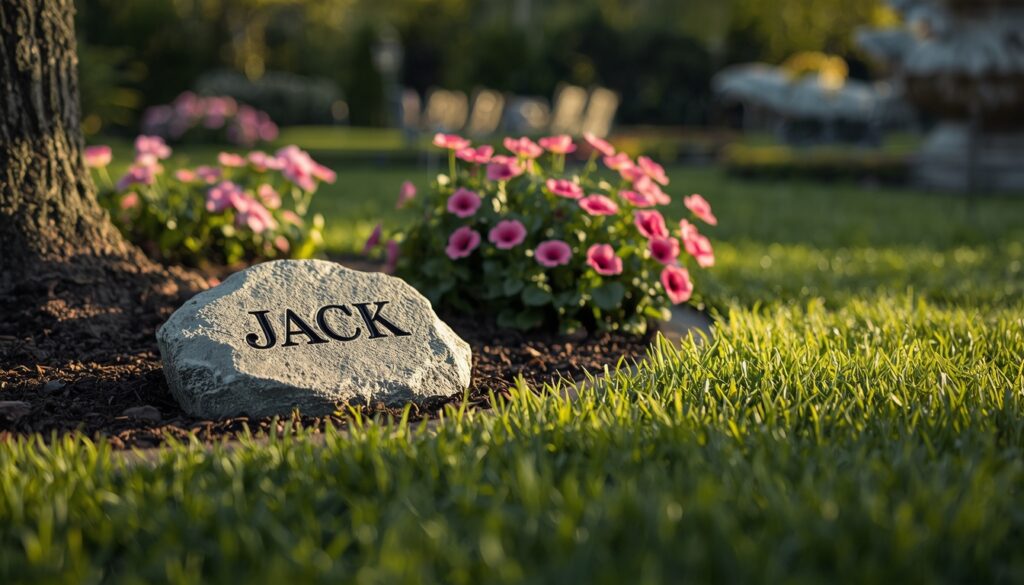
Another popular option for disposal of an animal’s remains is burial in a home. For some, this option might be even less expensive than cremation, but expenses can mount up if a family chooses to order a pet casket or a pet grave marker. Families considering this option may also find ideas in Creating a Memorial for Our Best Friend with a Pet Headstone when choosing a lasting marker. Special pet casket liners are also generally available from most pet memorial retailers. Prices for these products vary greatly, and customers are encouraged to shop several places before deciding on a choice for these products.
The question of legality of a home burial for a pet is a different one. In general, most cities and states do not have any special laws for burial of an animal, but they do require that the landowner approve of the grave. In cases in which a family wishes to bury a pet in the yard of a leased home, the family is strongly advised to seek the permission of the homeowner in order to avoid legal trouble. Also, somewhat ironically, municipalities that do have laws regarding pet burial may prohibit specialty products such as headstones and caskets. (The idea would be that a government has an interest in keeping the burial as environmentally friendly as possible. Headstones and caskets, generally, do not biodegrade in less than a lifetime.) And, still further, pet owners who choose to bury pets on their own property are advised by real estate experts that such a decision can sometimes devalue a property by thousands of dollars. One way around this problem is to be sure that headstones and grave markers can be easily removed so that, upon a decision to sell a piece of property, the land can be made to appear as if the grave were never there.
Private Cemetery Burial
Many families choose to invest in a plot for their friend at a special pet cemetery in their city. Most large cities have at least one of these establishments that prides itself on keeping landscaping in lush condition and providing a comforting, friendly environment for family members who may want to come visit their lost friend on occasion. The draw back to this choice is cost. Many pet cemeteries require prices that rival the thousands of dollars families typically spend to bury their humans. And, further, pet cemeteries tend to face fewer regulations than human cemeteries. This means that pet cemetery patrons run significant risk that the establishment will close and sell the property, leaving the new owners free to build over the pet graves. There have been few cases documented in which this has happened, but, nevertheless, the risk remains.