
Remarkable remembrances are what just about any family is looking for when a loved one has died. This is often especially the case when the deceased’s body is to be cremated. By its nature, cremation is sometimes difficult for the family members and friends left behind after a death. This is because the grieving process is often helped along – in cases in which burial is chosen over cremation — by the existence of a permanent place in which mourners can visit (a formal grave site) to reflect upon the life and legacy of the deceased. With cremation, such a spot is often not available (except of course, in cases, in which a cremation urn is ultimately buried in a traditional grave plot, but that happens in only a small percentage of cremations). So remarkable remembrances help fill the emotional void that can sometimes be left behind after a cremation.
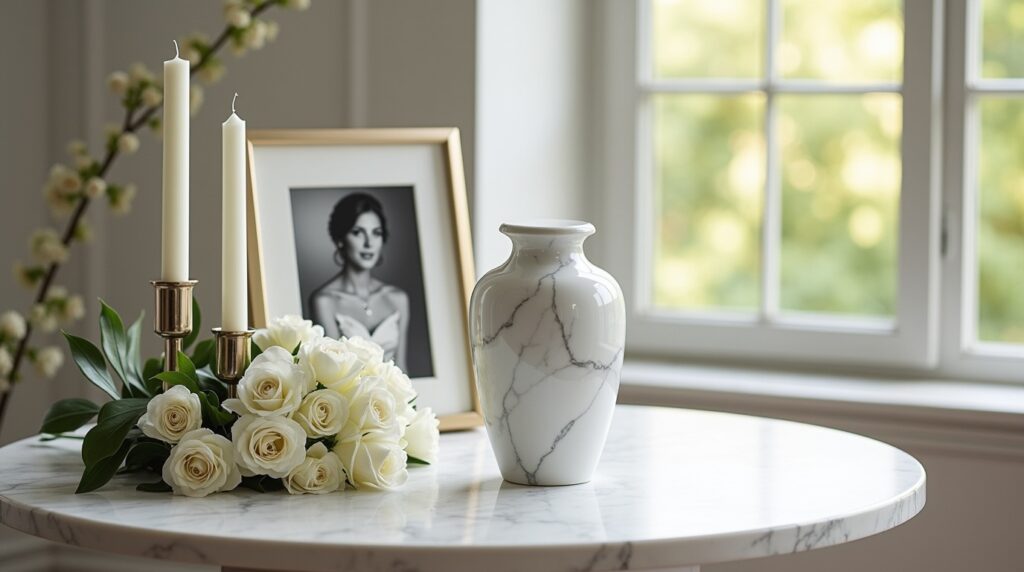
Remarkable remembrances urn their adjective well. They are remarkable, indeed. They are so remarkable, in fact, that news organizations such as Newsweek Magazine and many newspapers and television news programs across the United States have aired or printed feature stories over them in recent years.
In short, what makes these memorial remembrances so remarkable is that they include a portion of the deceased loved ones in product itself. This unique feature has proven to be a great comfort to many people who have lost loved ones over the years. And anecdotal evidence compiled informally from retailers seems to suggest that these remembrances are becoming more and more popular as each year goes by.
The following paragraphs delve into some details about some of the most popular and most unique memorial products that are considered remarkable remembrances to all involved.
Glass Ash Remembrances
The first remarkable remembrance we will look at are known as glass ash remembrances. These remarkable pieces are hand blown works of art that include a tiny portion of the deceased’s remains. When ordering a glass ash remembrance (usually from an online retailer) a customer will be provided with a special envelope in which to collect and return the ashes that will be incorporated into the piece, leading many families to wonder whether separating cremated ashes is considered disrespectful. After the remains have arrived at the glass blower’s studio, he or she will carefully remove them from the envelop and mix them with the newly created glass during the blowing process. The artist can creatively weave the remains into a glass work of art in any number of ways. Though most glass ash remembrances do typically follow a standard design as pictured in a catalog or an online retailer’s site, each one is certainly hand-blown, leaving plenty of opportunity for customizing the piece in a way that reflects the deceased’s personality, spirit, and even legacy in as exciting and meaningful a manner as possible.
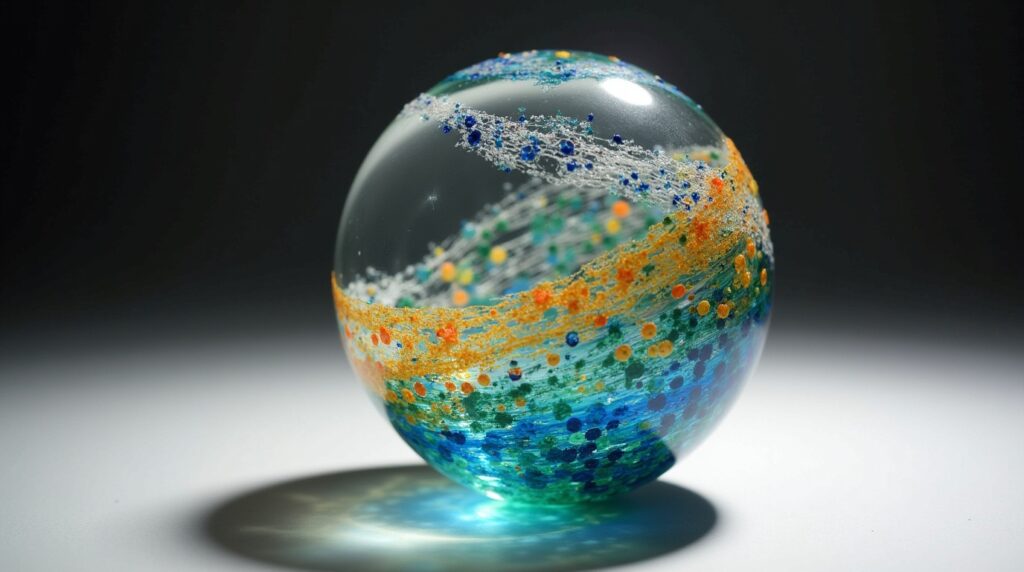
Glass ash remembrances can be crafted into a wide variety of works of art that are both beautiful memorial tributes to a beloved family member or friend as well as functional household items or jewelry apparel. One popular line of these remembrances is fashioned as paper weights, for example, and still others are glass charms for a bracelet or necklace. One of the truly remarkable things about these pieces is that they can be designed so as to make the ashes entirely visible to all who might see the work, or they the remains can be conspicuously incorporated into the art so that only the person who bought the piece (and anyone he or she may want to inform) knows that the piece includes actual remains.
Those who are initially learning about glass ash remembrances may wonder about the feasibility of placing the ashes in an envelope and mailing them to the glass blower’s studio. It should be noted that this process is perfectly legal in all states of the United States and that there are no health or sanitation concerns associated with such a project. Handling of a loved one’s ashes may be tricky, however, from an emotional perspective, and families who are considering a glass ash remembrance piece should certainly take that into account. The best way to resolve problems related to this, however, is to ask for assistance in filling the artist’s envelope. There is no special skill or training involved in this process – complete instructions are almost always included in the shipment with the envelop, but, even if they are absent, the process is usually self-explanatory. And there is definitely no license required, as some might assume. In many cases, a funeral director (or anyone else who works at a funeral home) might be willing to offer such assistance for free. (It is important to note that, legally speaking, the funeral home may not charge for such a service unless the price is listed on the establishment’s General Price List that it makes available to all customers. But customers who are well served by this service might wish to offer a tip – which a funeral director can legally accept if he or she desires.)
Cremation Ash Diamonds
Next we move to another remarkable remembrance, perhaps the one that has attracted the most media attention in recent years: diamonds made from cremation ashes. This amazing memorial product operates, in general, exactly like the other remarkable remembrances in that a customer is mailed an envelope and asked to return a small portion of a loved one’s remains. Only, in the case of cremation ash diamond, something truly unique is returned to the customer: a real diamond.
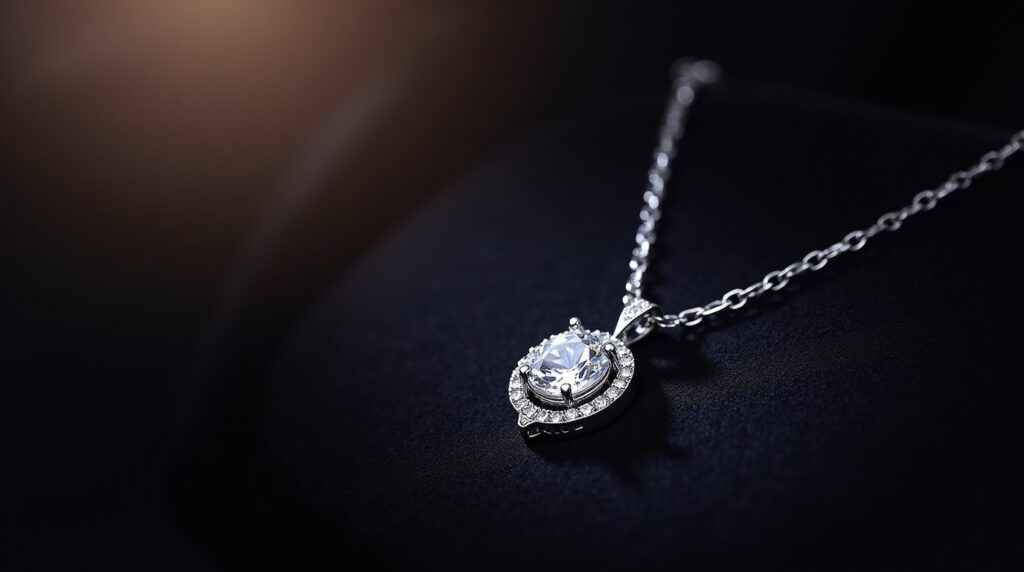
The artisans who make this remarkable remembrance use a special process to turn the ashes into diamonds, and many skeptics will wonder if the final product is, indeed, a “real” diamond.” Customers should rest assured that what they receive from the manufacturer does indeed have all of the physical and chemical properties of a traditional diamond. The only difference is that a cremation ash diamond does not occur naturally but, rather, is manufactured according to a complex process that is generally kept secret by the companies that practice this craft. The one thing that the companies don’t keep secret is that the process involves extracting carbon from the ashes themselves and then applying a great deal of pressure to the extracted carbon – in a mimic of the natural process that usually takes place miles under the Earth and requires centuries of time. The result is a diamond that has a bit of a yellowish tint to it when compared to a natural diamond (and therefore is recognizable to experts as not being a natural diamond). Those who have purchased these cremation ash diamonds made from the remains of their loved ones have said in various online forums that the final product, while certainly not of the same look as a natural diamond, does have a great beauty about it, making it as valuable a possession as they own – even if it may not be worth much monetarily on the open market. (It is probably worth noting that this same process used to make these cremation ash diamonds is sometimes used by industrial manufacturers to create other forms of artificial diamonds, such as those that line many drill bits designed to cut into difficult material such as glass. Makers of ash diamonds are always very careful to make sure their customers know that the diamond they will receive at the end of the process is not a natural gem. But families will attest that it is a gem, nevertheless. A priceless, remarkable gem, in fact.)
Memorial Art
The final remarkable gem that we will mention is called memorial art. This unique product of the memorial industry starts the same way that the others we have discussed so far begin: an envelope is mailed to a customer and ashes are returned to an artist. In this case, however, the artist is a painter who carefully mixes the remains into a small sample of paint that he or she then uses to add a few final touches to a picture. In most cases, the painting is an abstract designed intended to evoke emotions with its designs and colors rather than to portray a particular, photographic, scene. This is done intentionally to help insure a timeless quality of the painting. The goal is that the painting will be as meaningful to viewers who may come upon it centuries from now as it is today. A natural scene might detract from that goal.
This is not to say that some works of memorial art are not done as natural scenes. On the contrary, in fact. It is to say, however, that most commercially available works of memorial art of this nature are abstract pieces for this very reason. In most cases, the works are substantially completed well in advance so that they can be included in a retailer’s catalog or online showcase. After they are selected by the family of the deceased, they will then be enhanced with the remains before the painting is then shipped to the family for display in a wide variety of locations.